The library
Causes
What the slogan on the shirt means, where it came from, and who carried it. Written before the merch, so the page answers the question either way.
-
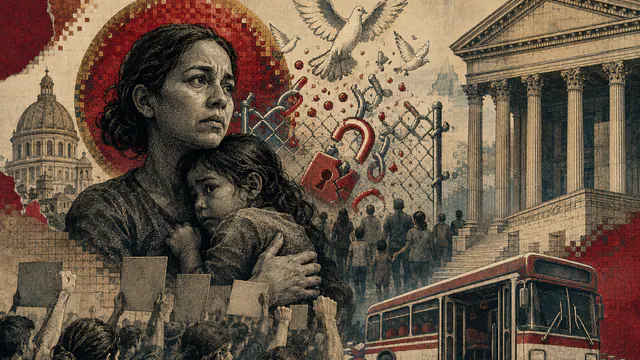
Abolish ICE: Where the Slogan Came From and What It Means
Sean McElwee tweeted the phrase on February 23, 2017. The next year it was a House bill with a commission and a one-year clock on the agency. The dates, the bill text, and the numbers. -
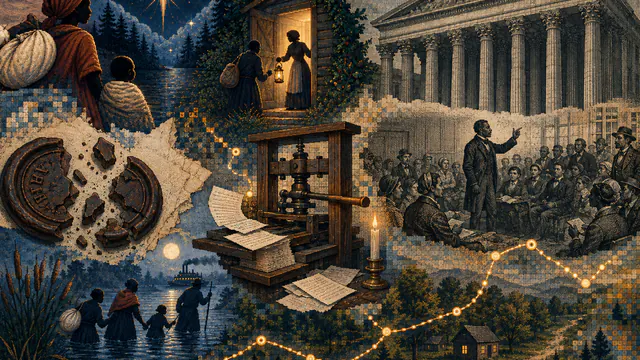
Abolitionism Made Slavery a System to Destroy, Not Improve
Abolition brought many tactics and organizations into a conflict over whether slavery could be contained, reformed, escaped, or ended everywhere. -
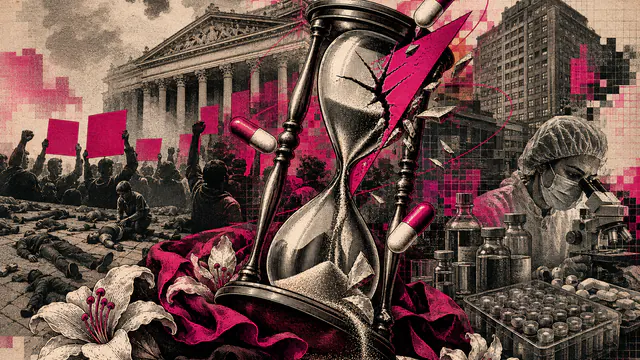
ACT UP: How AIDS activists combined disruption, care, graphics, and drug-trial expertise
The remembered scene was the public edge of years of work. The harder history starts with who organized, who resisted, and what changed. -
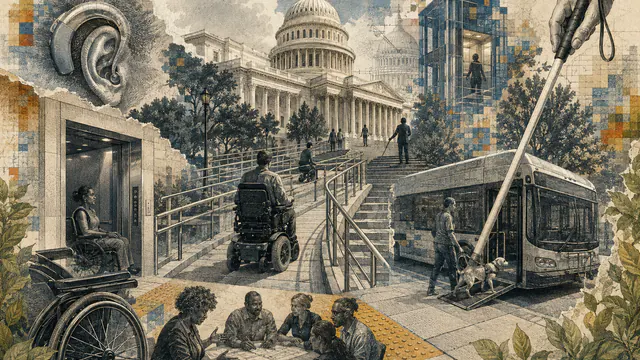
Americans with Disabilities Act: The coalition, compromises, Capitol action, and enforcement record behind the ADA
The remembered scene was the public edge of years of work. The harder history starts with who organized, who resisted, and what changed. -
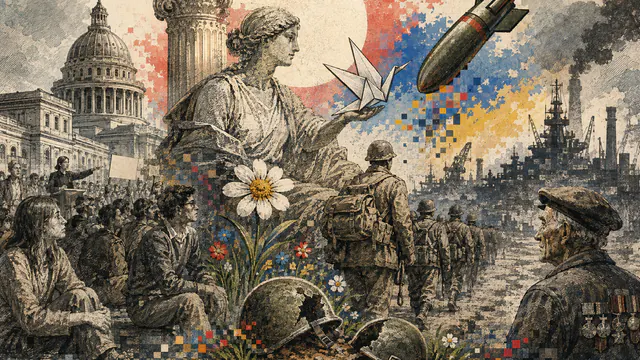
Anti-War Movements Fight the War and the Machinery That Makes the Next One
Stopping one intervention is difficult. Challenging the institutions, budgets, racial hierarchies, and official stories that prepare the next one is harder. -
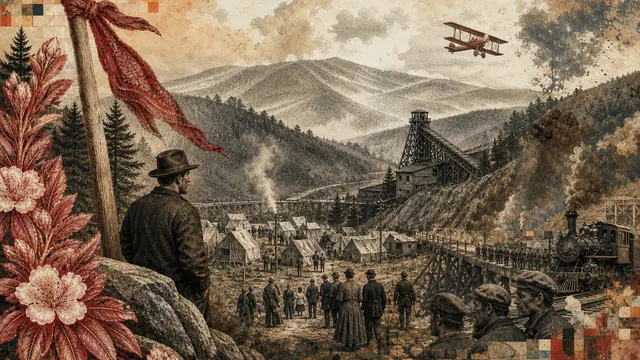
Blair Mountain: The Largest Armed Uprising Since the Civil War
Ten thousand miners against a sheriff's private army, biplanes dropping homemade bombs, and an Army squadron loaded with poison gas that got recalled before it dropped a single one. The fight over the battlefield's own historical marker ran until 2018. -
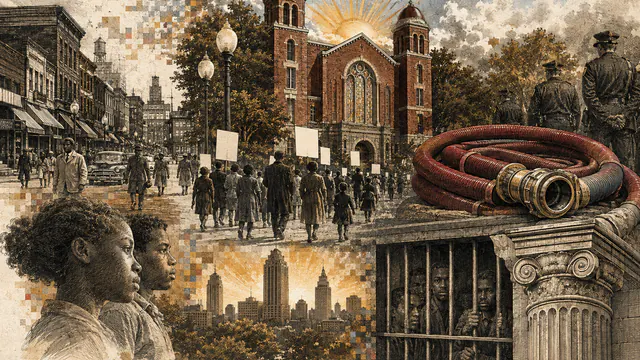
Birmingham Campaign: Boycotts, mass meetings, jail, children marching, police violence, and a negotiated settlement
The remembered scene was the public edge of years of work. The harder history starts with who organized, who resisted, and what changed. -
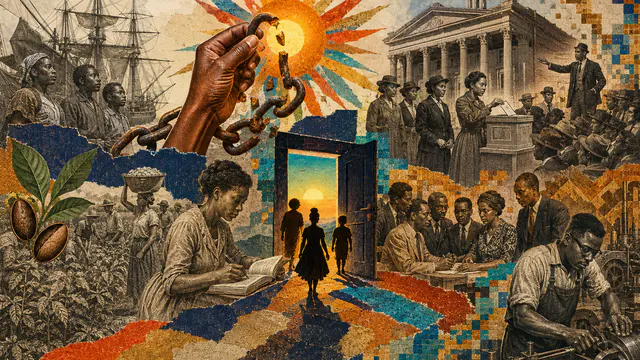
Black Liberation Is a History of Power, Not One Organization
The term is larger than a party, decade, or tactic. Its recurring question is who controls the institutions governing Black life. -
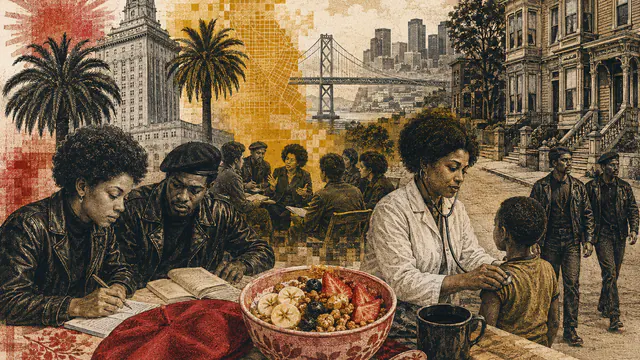
Ten Points and Free Breakfast: What the Black Panther Party Actually Did
Eleven children ate breakfast at a West Oakland church in late January 1969. By year's end the party counted 20,000. J. Edgar Hoover wrote a memo about it. -
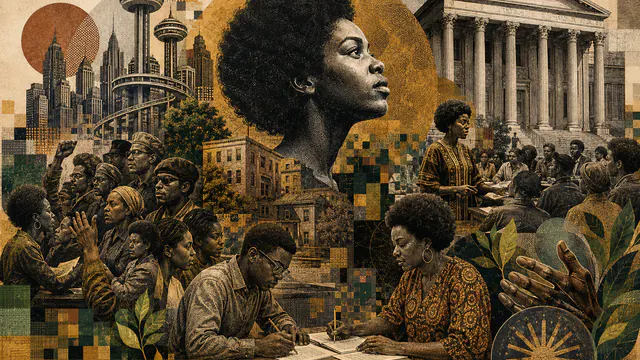
Black Power: The slogan's roots, competing programs, organization, self-defense, culture, and state response
The remembered scene was the public edge of years of work. The harder history starts with who organized, who resisted, and what changed. -
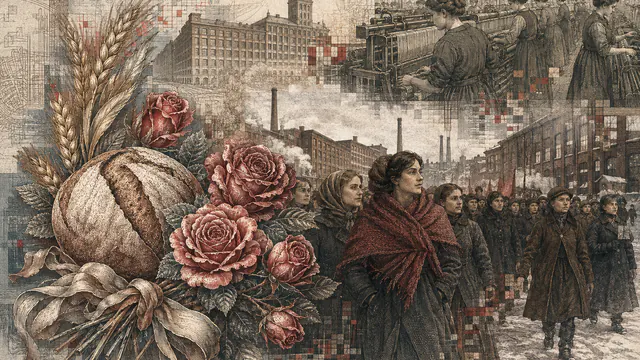
Bread and Roses: The 1912 Strike That United 51 Nationalities
Twenty thousand mill workers from fifty-one nations shut down Lawrence, Massachusetts for nine weeks in 1912. A police shooting, a bombing frame-up, and a mill girl's congressional testimony about her own scalp are all still on the record. -
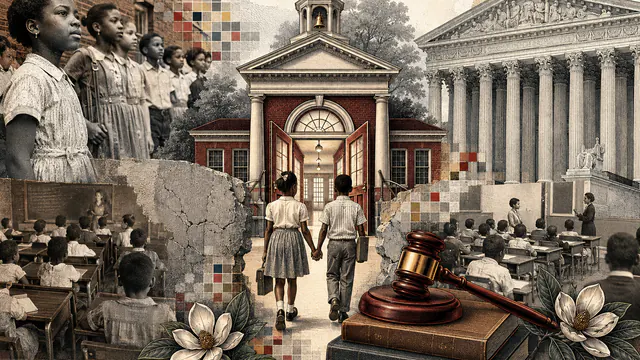
Brown v. Board of Education: The cases, social science, families, lawyers, resistance, and enforcement behind school desegregation
The remembered scene was the public edge of years of work. The harder history starts with who organized, who resisted, and what changed. -
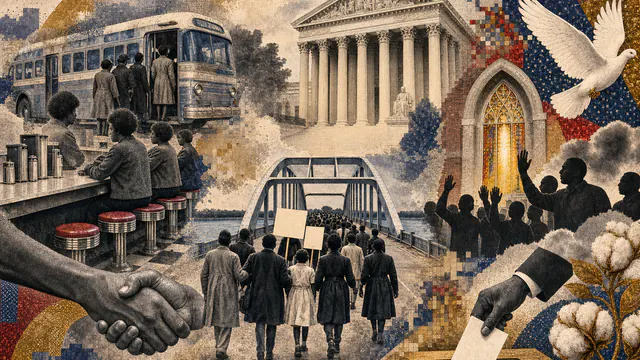
Civil Rights Means Law, Enforcement, and the People Who Force Both
A right written in 1868 could still require a boycott in 1955 and federal protection in 1965. The distance is the history. -
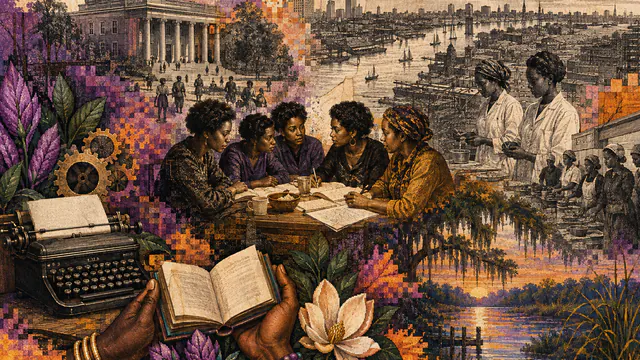
Combahee River Collective: What Black feminist organizers meant by identity politics before the term was diluted
The remembered scene was the public edge of years of work. The harder history starts with who organized, who resisted, and what changed. -
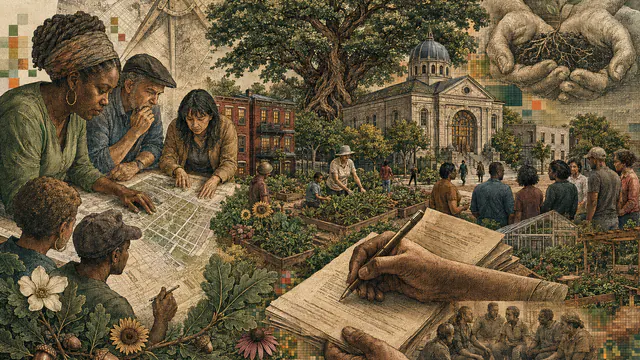
Community Land Trusts: How shared land ownership can preserve affordability and community control across generations
The remembered scene was the public edge of years of work. The harder history starts with who organized, who resisted, and what changed. -
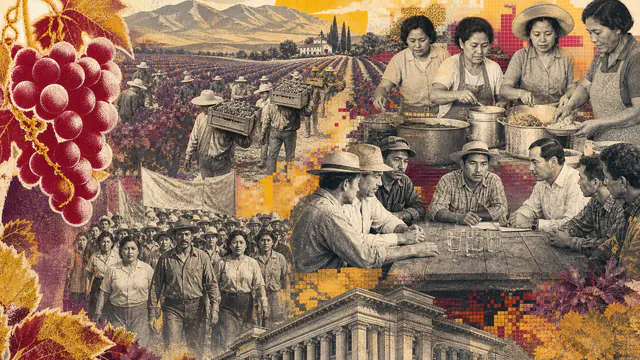
The Delano Grape Strike Started With the Filipinos: Five Years That Built the UFW
Larry Itliong called the strike. Cesar Chavez's union joined it eight days later, and popular memory compressed the difference to zero. The record, dated, of who struck first and what five years of it built. -
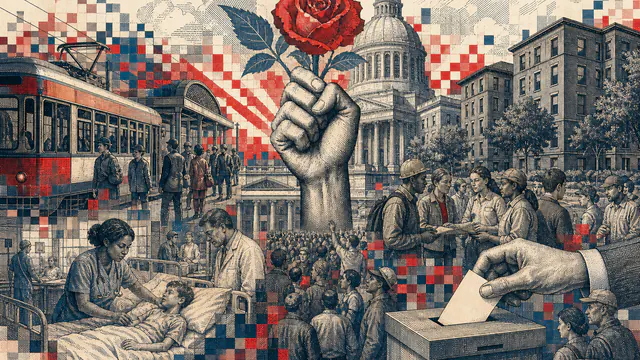
What Is Democratic Socialism? (And How It's Different From Communism)
DSA passed 120,000 members on July 4, 2026: by its own count, the largest socialist organization in American history. Here is what the term actually commits its members to, and what it does not. -
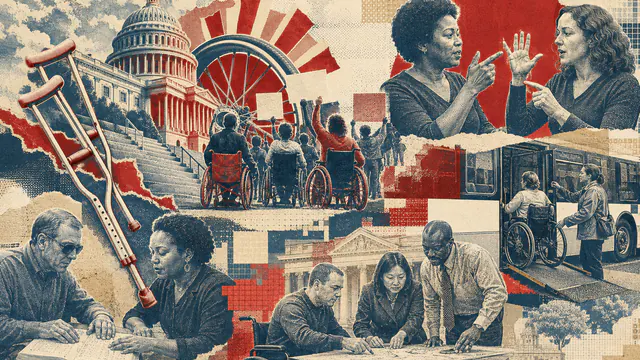
The 504 Sit-In: 26 Days That Won Disability Rights
The government sat on a disability rights law for four years. About 150 people occupied a federal building until it signed, fed the whole time by the Black Panther Party. -
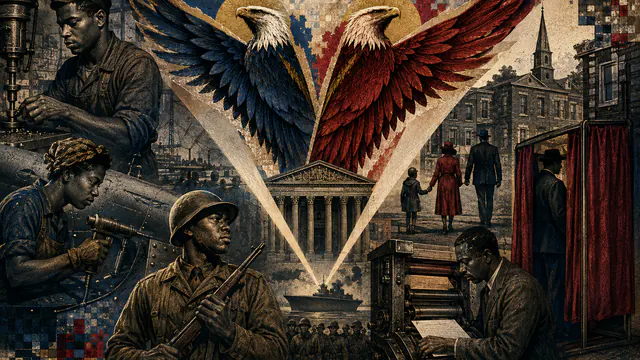
Double V Campaign: The wartime campaign demanding victory against fascism abroad and racism at home
The remembered scene was the public edge of years of work. The harder history starts with who organized, who resisted, and what changed. -
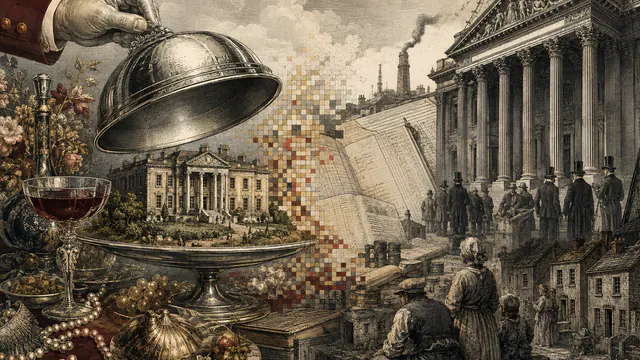
"Eat the Rich": Where the Phrase Actually Comes From
The earliest name attached to the line is Rousseau, and he never wrote it. What's actually on the record: a 1793 speech, a Detroit cookbook, two rock singles, and a jacket at the White House. -
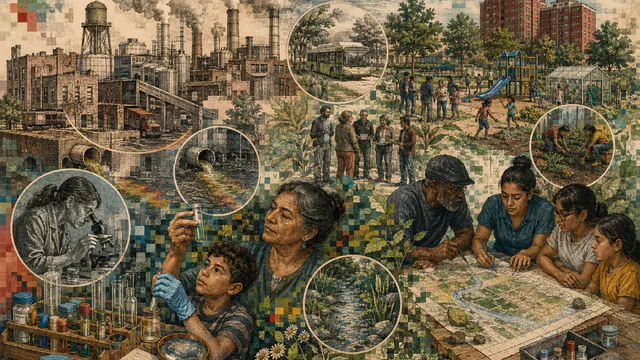
Environmental Justice Starts With Who Lives Beside the Hazard
Pollution is not distributed by bad luck. Decisions about zoning, enforcement, infrastructure, and whose testimony counts put hazards in particular places. -
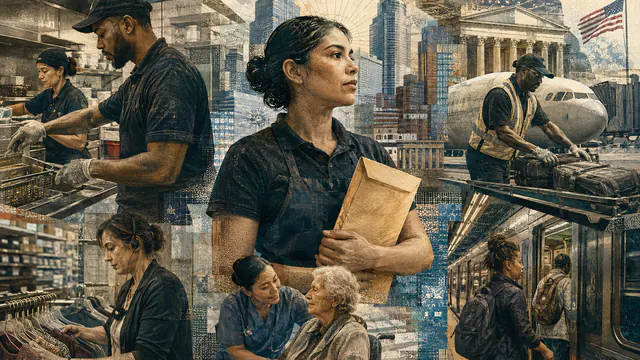
The Fight for $15: How 200 Fast-Food Workers Changed the Wage Map
The federal minimum wage has not moved since 2009. Since the first walkout, 15 states have adopted a path to $15 and indexing has carried five more above it. -
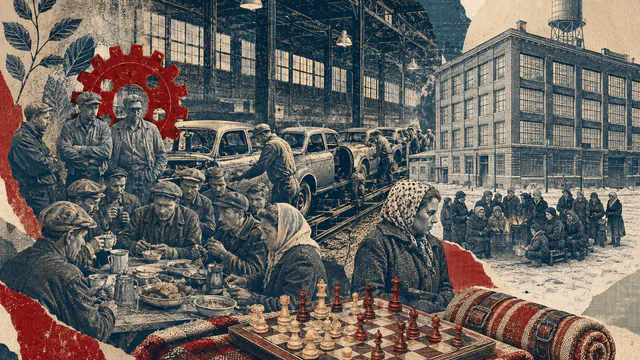
The Flint Sit-Down Strike: 44 Days Inside the Plant That Built the UAW
Workers occupied two General Motors plants for 44 days, beat back a police attack with fire hoses and whatever metal was in reach, and walked out with GM's recognition of the UAW. Every number below traces to a source, including the shares of GM stock the judge who tried to evict them happened to own. -
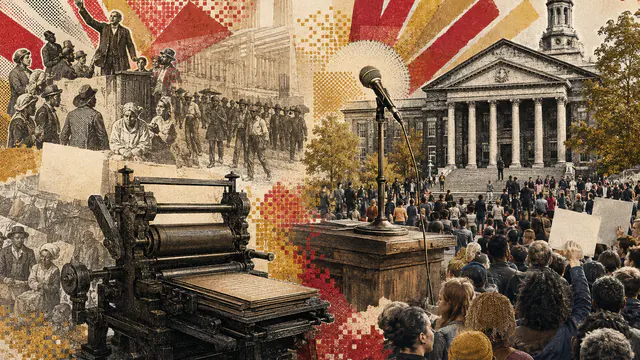
The Espionage Act: When America Jailed People for Speeches
Congress passed the Espionage Act to catch German agents. It convicted one, by military tribunal, not under the Act at all. The other 2,000-plus prosecutions were socialists, pacifists, and immigrants who said the war was wrong out loud. -
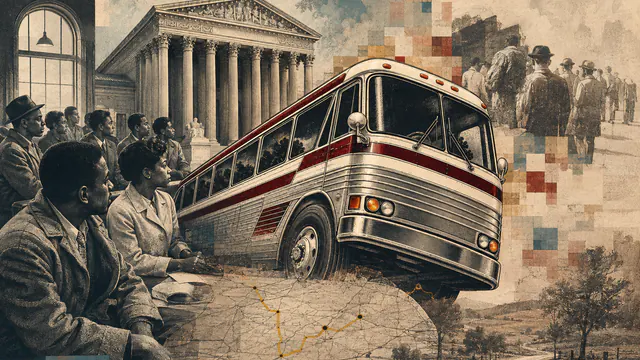
The Freedom Riders Made the Federal Government Enforce Its Own Ruling
The Supreme Court had ruled. Southern bus terminals still segregated. The riders bought tickets to test which part the government meant. -
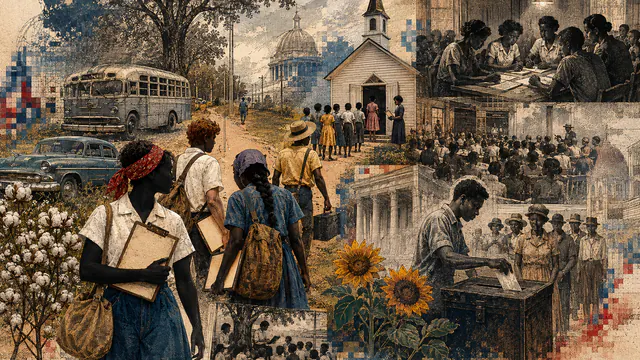
Freedom Summer Put Mississippi's Ballot, Schools, and Delegation on Trial
Volunteers arrived for ten weeks. Mississippi organizers had already spent years building the local networks that made the summer possible. -
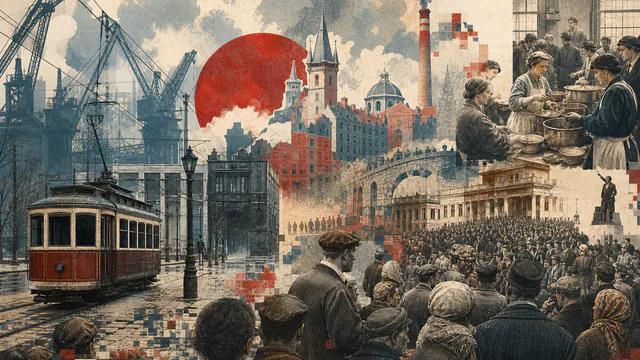
What Is a General Strike, and Has One Ever Worked in the US?
Seattle in 1919, San Francisco and Minneapolis in 1934, Oakland in 1946: every US general strike, what it actually won, and the 1947 law written to stop the next one. -
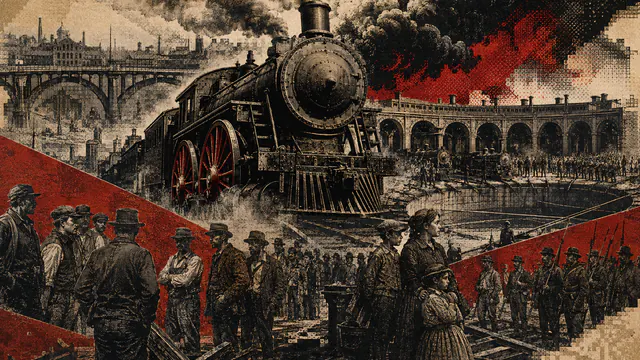
Great Railroad Strike of 1877: The first national rail strike and the troops sent to break it
The remembered scene was the public edge of years of work. The harder history starts with who organized, who resisted, and what changed. -
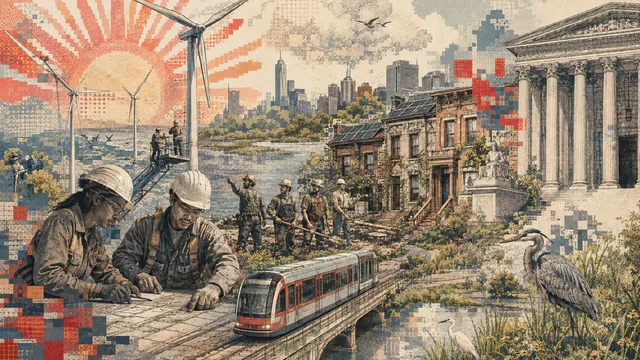
The Green New Deal: What the Resolution Actually Says
Fourteen pages, 67 original cosponsors, zero House votes. The words fossil fuel, carbon tax, and nuclear appear nowhere in the text. A section by section read. -
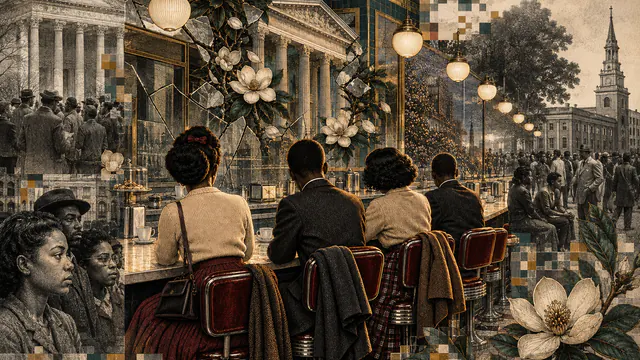
Greensboro Sit-Ins: Four students, a lunch counter, months of organizing, and a tactic that spread
The remembered scene was the public edge of years of work. The harder history starts with who organized, who resisted, and what changed. -
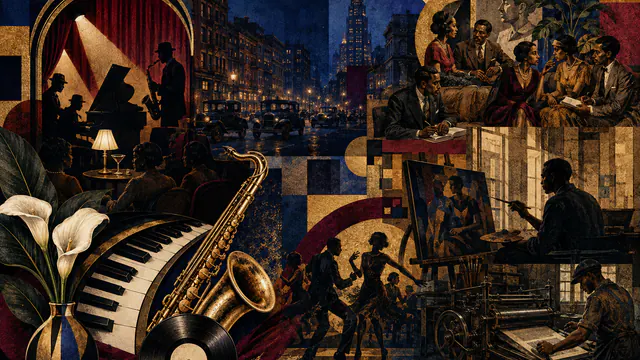
Harlem Renaissance: How publishing, migration, rent parties, politics, and patronage shaped a cultural movement
The remembered scene was the public edge of years of work. The harder history starts with who organized, who resisted, and what changed. -
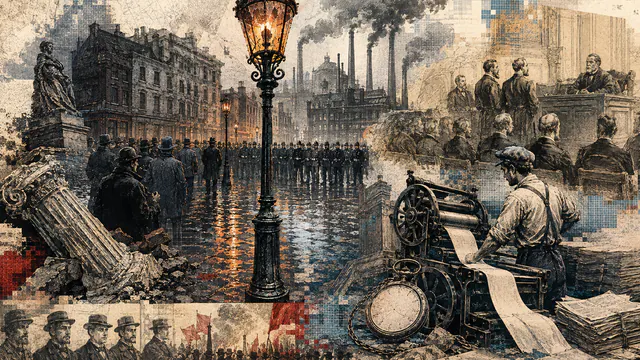
Haymarket Affair: The labor rally, bomb, trial, executions, and fight over what the evidence proved
The remembered scene was the public edge of years of work. The harder history starts with who organized, who resisted, and what changed. -
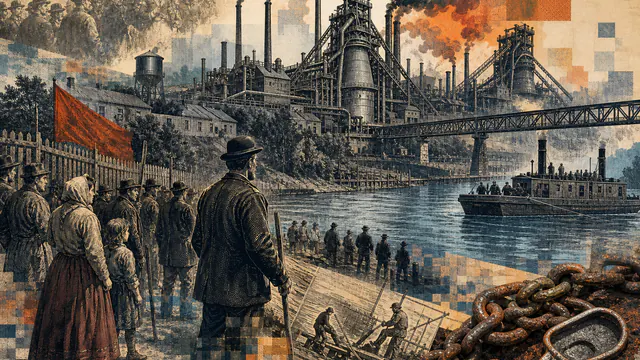
The Homestead Strike: Carnegie's Mill, Frick's Fence, and 300 Pinkertons
The company built a barbed-wire fence, hired 300 private guards, and sent them by river before dawn. The whole town was waiting. -
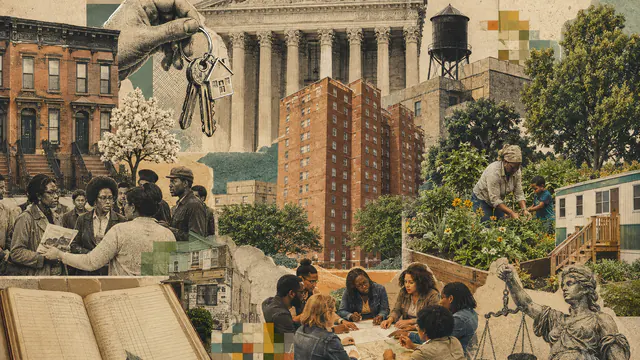
Housing Justice Asks Who Gets a Home and Who Gets an Asset
A house can be shelter, wealth, collateral, inheritance, and a target for speculation. U.S. policy has never distributed those functions equally. -
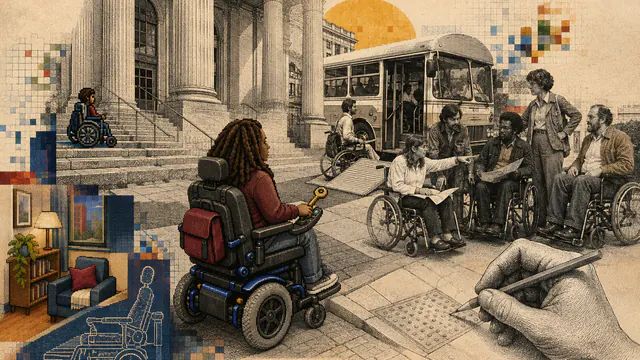
Independent Living Movement: How disabled people built services under their own control and rejected institutional custody
The remembered scene was the public edge of years of work. The harder history starts with who organized, who resisted, and what changed. -
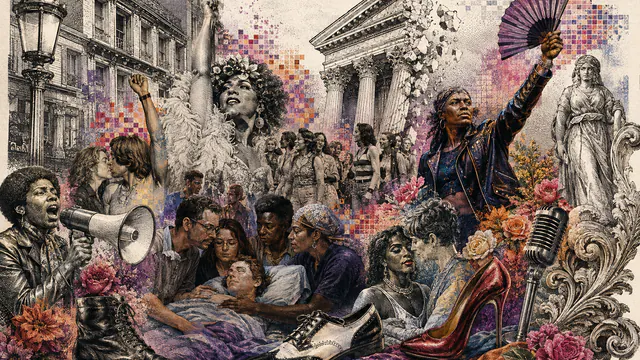
LGBTQ Liberation Grew From Survival, Refusal, and Organization
The history is larger than a march from Stonewall to marriage. Its routes run through bars, courtrooms, clinics, union halls, shelters, legislatures, and streets. -
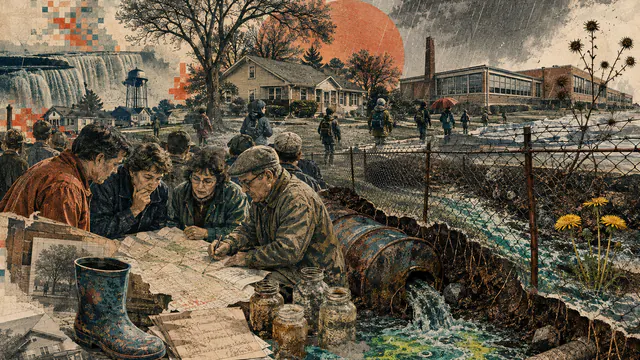
Love Canal: The buried chemicals, resident health claims, evacuation fight, and creation of Superfund
The remembered scene was the public edge of years of work. The harder history starts with who organized, who resisted, and what changed. -
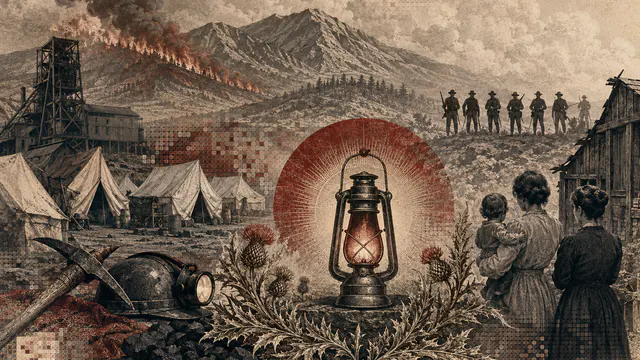
The Ludlow Massacre: The Day the Company Burned the Tents
The company that owned the mine hired a publicist before the year was out. The union that buried the dead still owns the ground. Here is what happened at Ludlow, sourced to Congress's own transcript. -
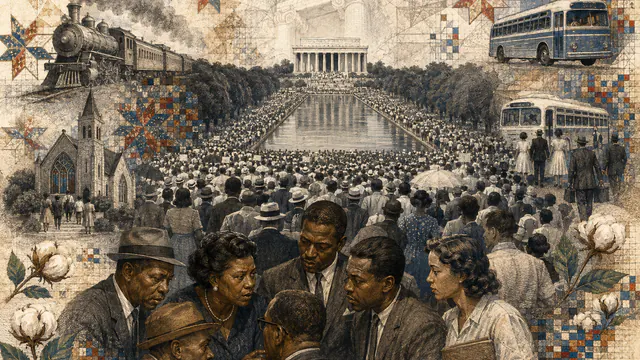
The March on Washington Was for Jobs and Freedom
The most replayed speech can make half the title disappear. The word jobs was first for a reason. -
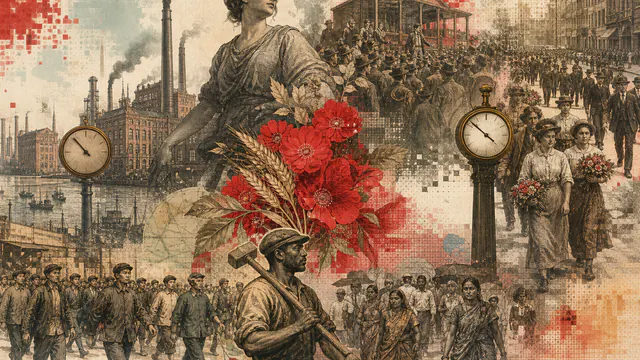
May Day and the Haymarket Affair: The Real Origin of International Workers' Day
Most of the world takes May 1 off because of a bomb that killed a Chicago police officer in 1886, a trial that never found out who threw it, and four hangings the state carried out anyway. -
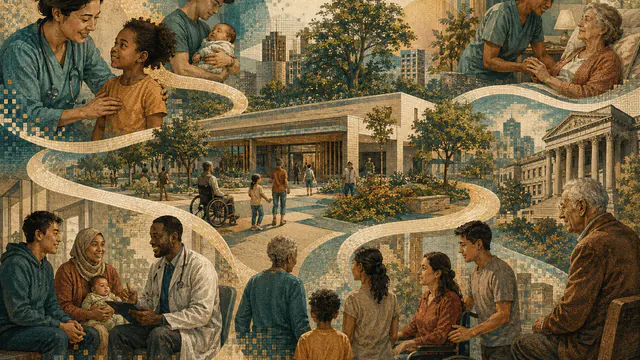
Medicare for All, Explained: What It Would Actually Change
The U.S. spends $14,775 a person on health care and still counts 27.1 million people uninsured. Here is what the two bills called Medicare for All actually propose, benefit by benefit. -
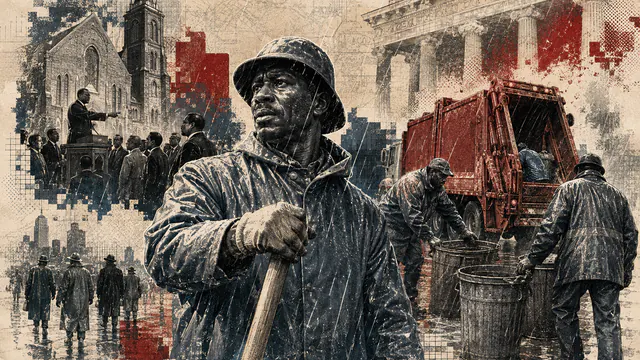
I Am a Man: The Memphis Sanitation Strike of 1968
The sign read I Am A Man, four words printed on a church basement press. Getting Memphis to sign an actual contract took two deaths in a garbage truck, sixty-four days on strike, and the assassination of the minister who came to help finish it. -
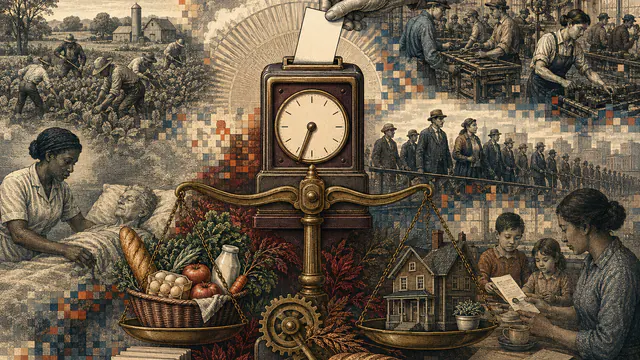
The Federal Minimum Wage Started at 25 Cents and Left Millions Out
Congress fought for more than a year over a quarter. The first federal wage floor covered about one-fifth of the labor force. -
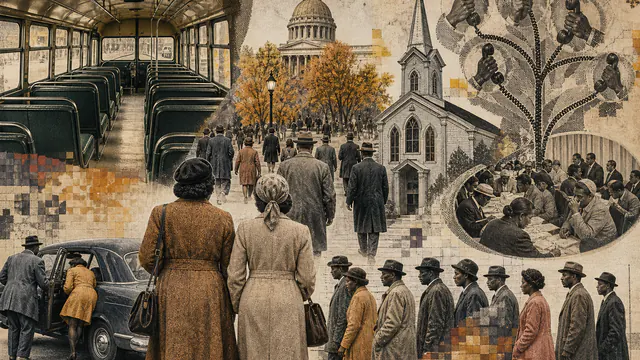
The Montgomery Bus Boycott Ran on 50,000 Leaflets and a Carpool
Jo Ann Robinson's students ran 50,000 leaflets overnight. The boycott had an announcement before it had a famous president. -
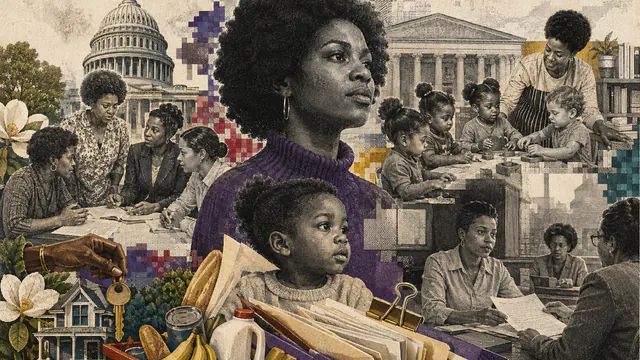
National Welfare Rights Organization: How poor Black mothers made benefits, dignity, and guaranteed income political demands
The remembered scene was the public edge of years of work. The harder history starts with who organized, who resisted, and what changed. -
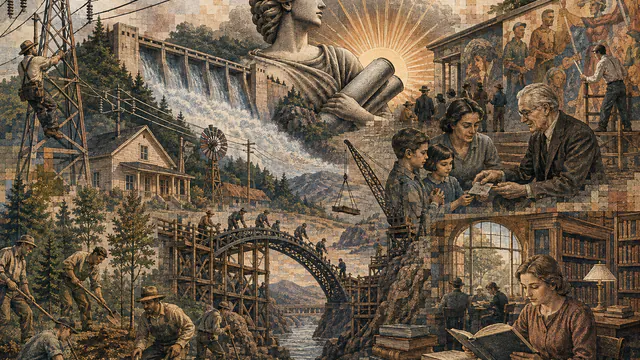
What the New Deal Built, and Who Its Bargains Left Out
The alphabet agencies put millions to work and rewrote the government's obligations. Some of the smallest words in the laws decided who got left out. -
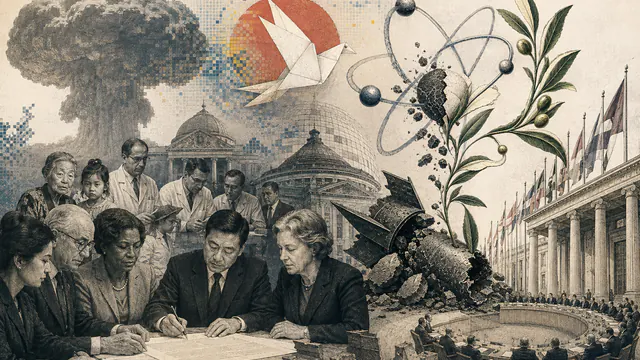
Nuclear Disarmament: The bomb, test fallout, scientists, women strikers, freeze campaigns, and treaty pressure
The remembered scene was the public edge of years of work. The harder history starts with who organized, who resisted, and what changed. -
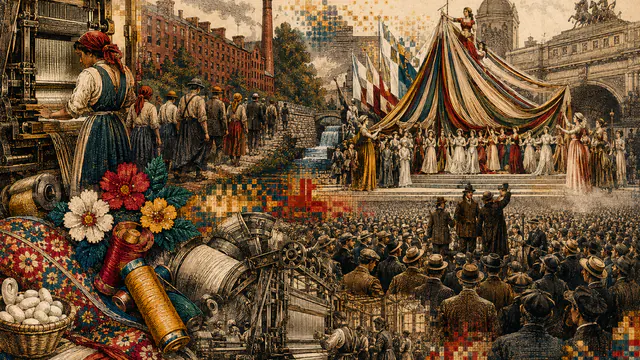
Paterson Silk Strike: The IWW strike that turned Madison Square Garden into a pageant and still lost
The remembered scene was the public edge of years of work. The harder history starts with who organized, who resisted, and what changed. -
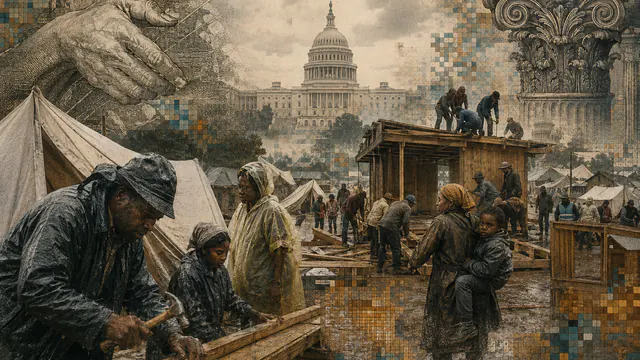
The Poor People's Campaign Was King's Unfinished Washington Occupation
The plan was to stay in Washington until Congress answered poverty. An encampment rose on the Mall in weeks of rain. -
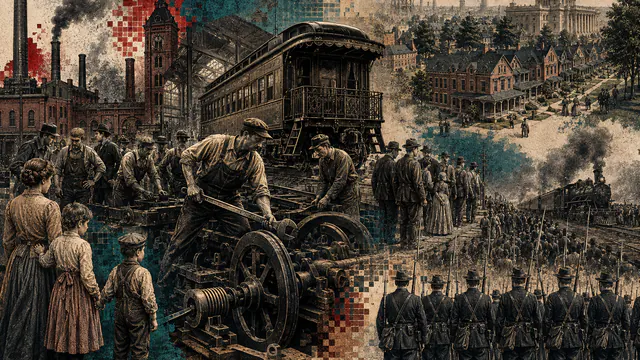
The Pullman Strike: When the Company Cut Wages but Kept the Rent
Pullman owned the factory and the town. During the depression it cut wages, kept rents up, and refused arbitration. The rails carried the dispute nationwide. -
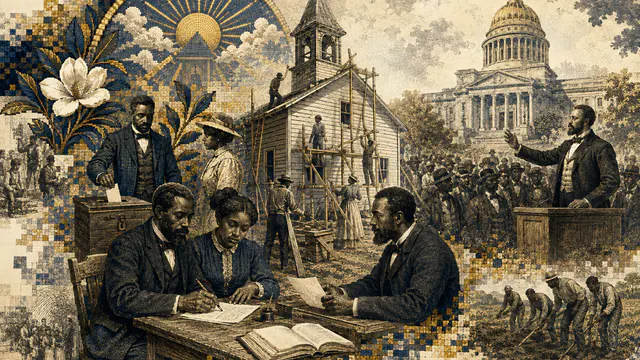
Reconstruction Was America's First Experiment in Multiracial Democracy
Freedpeople built a democratic opening that organized violence and political retreat later defeated. -
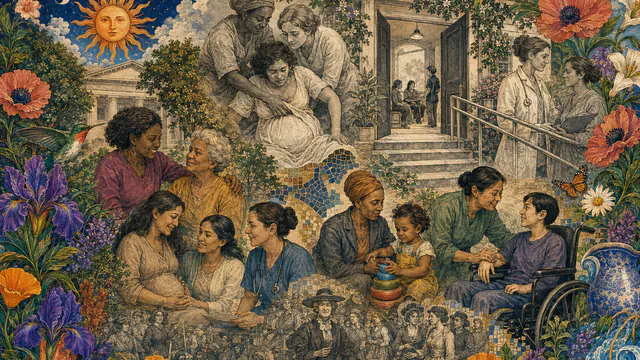
Reproductive Justice: Why Black women organizers joined the right to have children, not have children, and raise them safely
The remembered scene was the public edge of years of work. The harder history starts with who organized, who resisted, and what changed. -
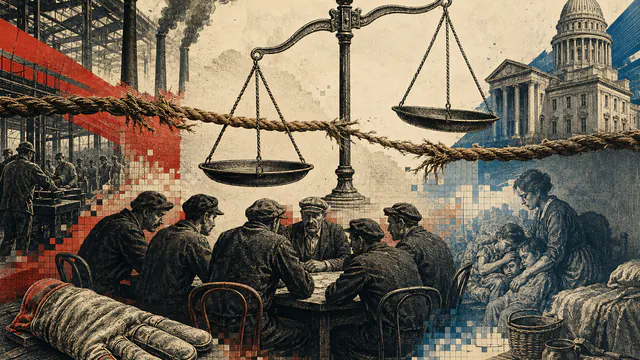
Right-to-Work Laws: What these state laws do to union security, bargaining, and free-rider claims
The remembered scene was the public edge of years of work. The harder history starts with who organized, who resisted, and what changed. -
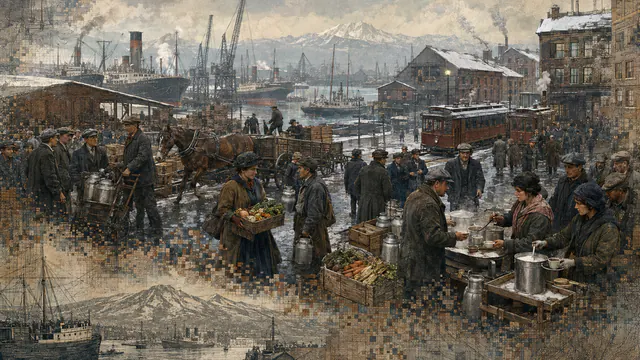
Seattle General Strike: Five days when organized labor kept a city fed while most ordinary work stopped
The remembered scene was the public edge of years of work. The harder history starts with who organized, who resisted, and what changed. -
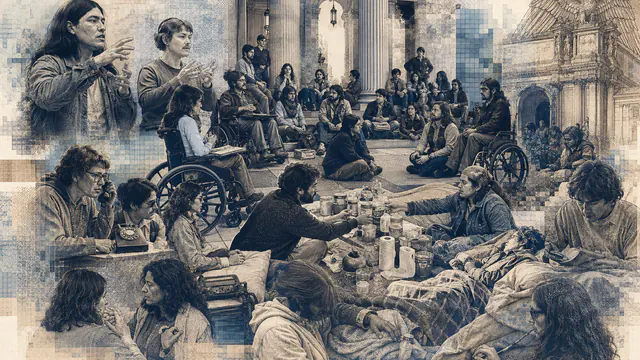
Section 504 Sit-In: The 1977 occupation that forced enforcement of disability civil-rights rules
The remembered scene was the public edge of years of work. The harder history starts with who organized, who resisted, and what changed. -
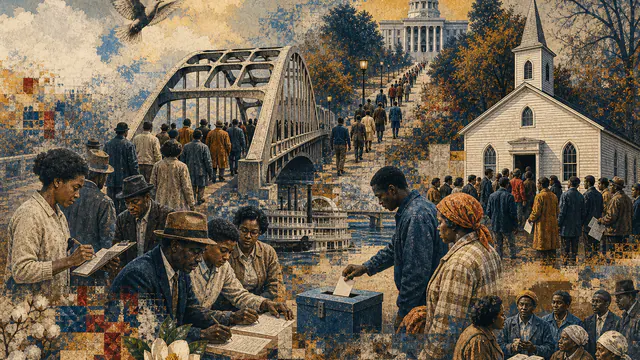
Selma: The Local Voting Fight Before and After Bloody Sunday
Dallas County organizers worked for years before national cameras reached the bridge. The bridge mattered because the registrar already had a history. -
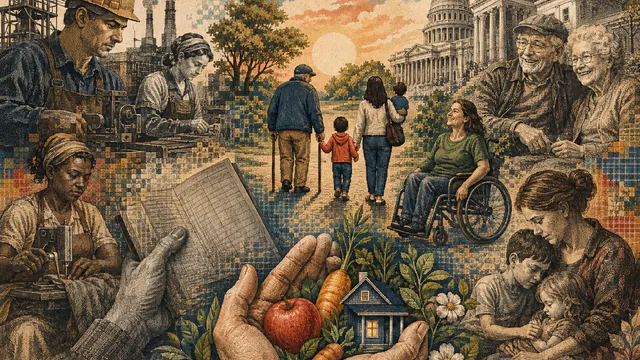
How Social Security Went From a Desk Committee to Every Paycheck
The first retirement checks did not arrive with the first tax collections. Building national old-age insurance meant inventing the machinery too. -
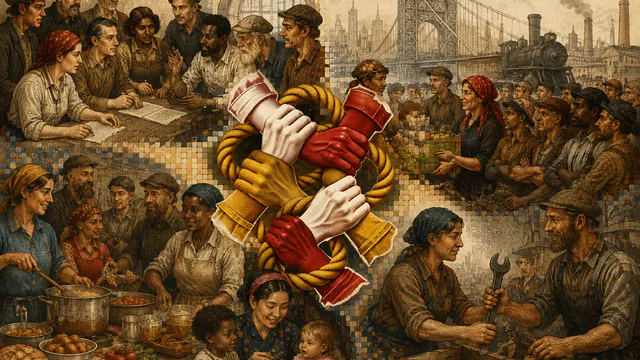
Solidarity Forever: The Song, the Word, and Why Labor Still Sings It
A Wobbly cartoonist set new words to an old marching tune on a cold Chicago day. Sixty-five years later a Gdansk shipyard union took the same word for its own name. -
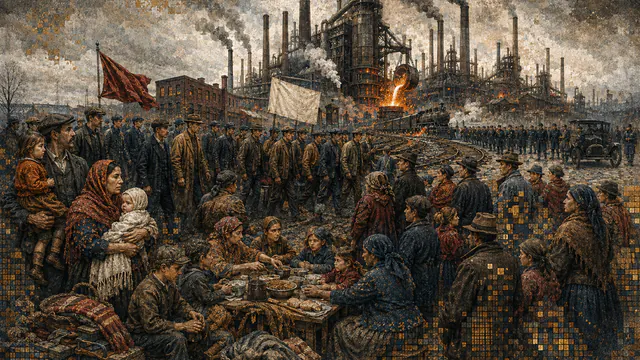
Steel Strike of 1919: The national steel walkout, company repression, racial division, and twelve-hour day
The remembered scene was the public edge of years of work. The harder history starts with who organized, who resisted, and what changed. -
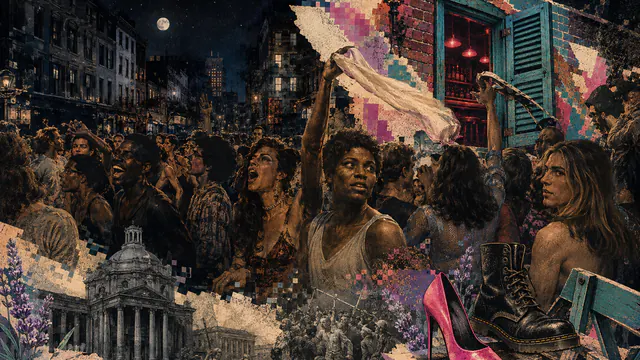
The Stonewall Uprising Was Six Nights, Not One Thrown Brick
There is no settled first brick and no single founder. There was a crowded bar, a familiar raid, a refusal to disperse, and a movement ready to organize afterward. -
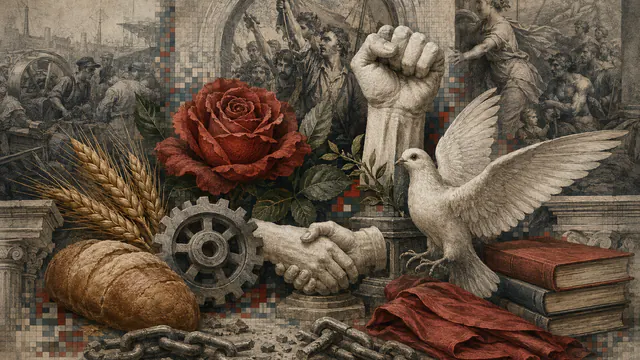
The Rose, the Fist, and the Three Arrows: A Field Guide to the Symbols of the Left
The rose was drawn in Paris in 1969, the three arrows in Berlin in 1932, and the black cat rode with the Wobblies. A dated, sourced guide to the marks the left puts on its shirts. -
Taft-Hartley Act: How the 1947 law constrained unions, strikes, solidarity, and political action
The remembered scene was the public edge of years of work. The harder history starts with who organized, who resisted, and what changed. -
"Tax the Rich": The Policy Behind the Slogan
Ninety-one percent was the top tax bracket under Eisenhower. Today it is 37. In between, two wealth tax bills that never passed and a leaked IRS file putting the real number at 3.4 percent. -
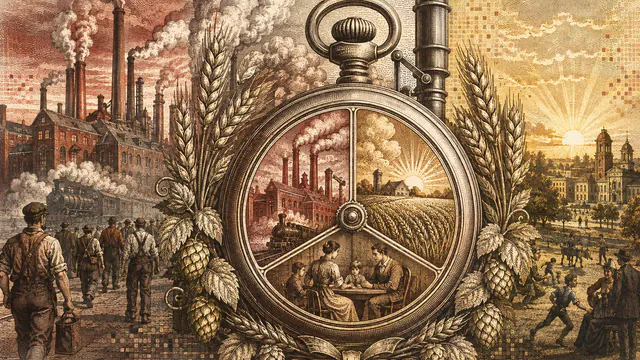
Who Invented the Weekend? The Eight-Hour Day, Explained
Henry Ford did not invent the weekend. A New England mill beat him to the five-day week by eighteen years, and the 1938 law that made the 40-hour week federal excluded most farmworkers and domestic workers by design, an exclusion Congress has never fully undone. -
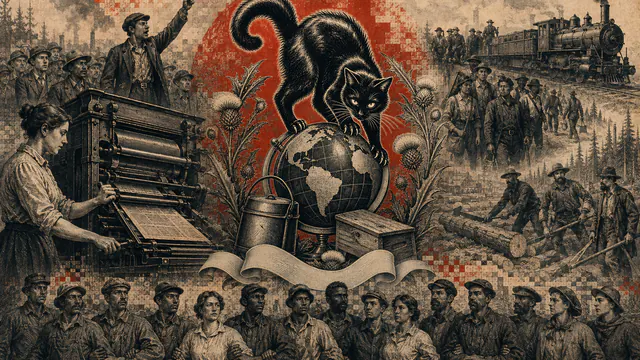
The Wobblies: Inside the IWW's One Big Union
One card for every worker, not forty split by trade: the IWW said so on June 27, 1905, filled Spokane's jail proving it in 1909, and had 101 of its own convicted in 1918 for meaning it. -
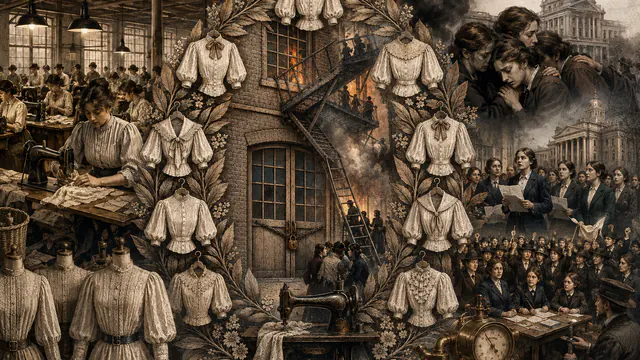
The Triangle Shirtwaist Fire: 146 Deaths That Rewrote Labor Law
The same workers had struck over that locked door eighteen months earlier. Nobody fixed it. Then the building caught fire. -
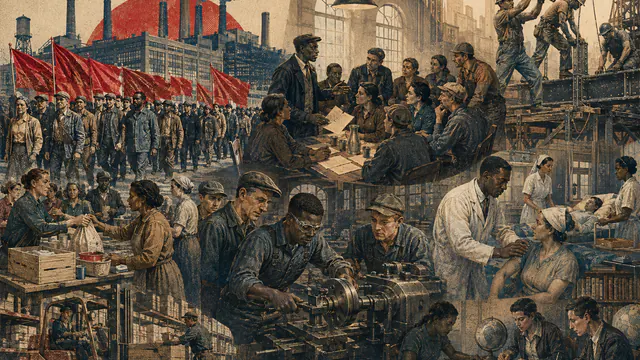
What a Union Actually Does (and Why the Boss Hires Consultants to Stop One)
Ten percent of American workers carried a union card in 2025, down from a recorded peak of 28.3 percent in 1954. Here is what that card buys, and the consulting industry built on making sure fewer workers get one. -
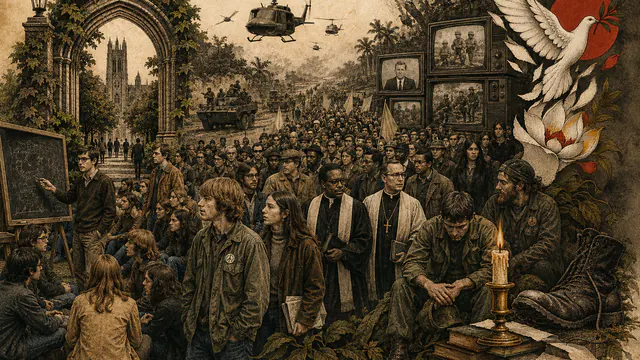
Vietnam Antiwar Movement: Draft resistance, campus action, clergy, veterans, labor, government surveillance, and mass marches
The remembered scene was the public edge of years of work. The harder history starts with who organized, who resisted, and what changed. -
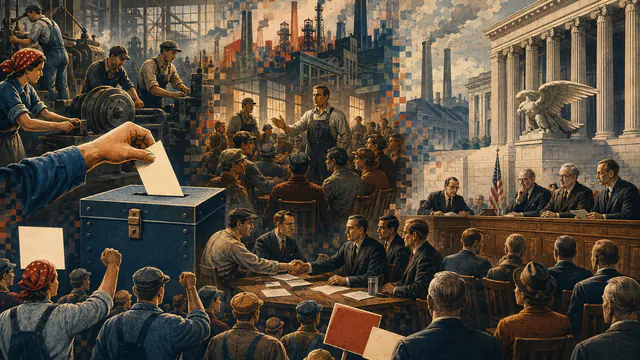
The Wagner Act Gave Workers Section 7, Then Congress Started Cutting
Section 7 is short enough to print on a card. Employers spent the next ninety years finding out how much delay could fit around it. -
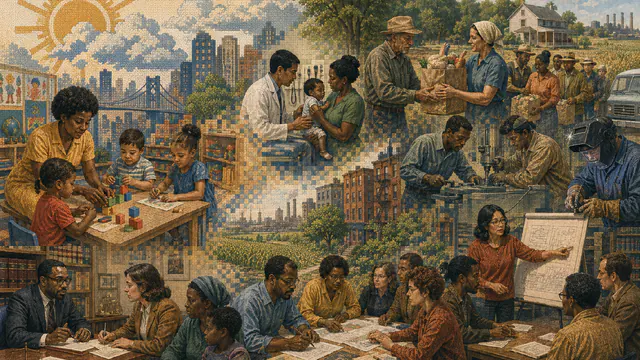
War on Poverty: What the 1964 program funded, how communities used it, and why opponents attacked participation
The remembered scene was the public edge of years of work. The harder history starts with who organized, who resisted, and what changed. -
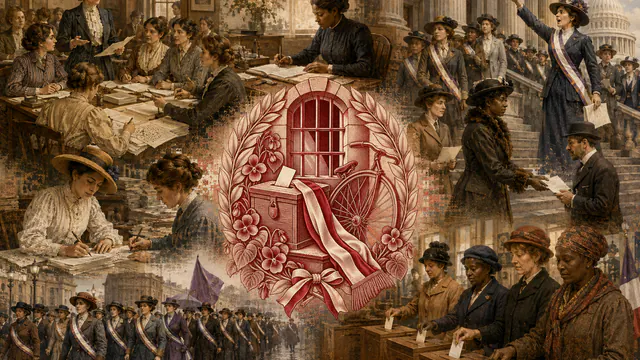
The Night of Terror: How Suffrage Was Actually Won
Guards shackled Lucy Burns to her cell bars while Alice Paul got a rubber feeding tube in a separate jail across town, the same month New York's garment workers helped deliver a state referendum. Two fronts, one campaign, and the asterisk left for 1965 to fix. -
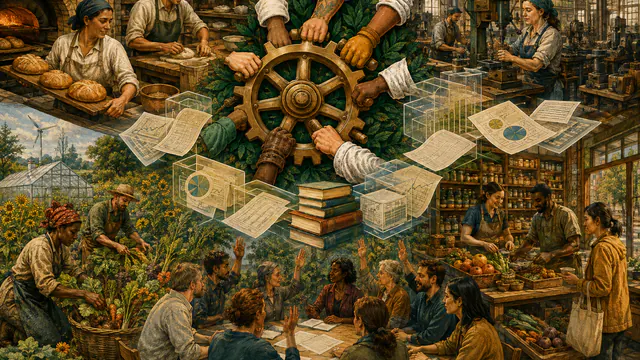
Worker Cooperatives Put the People Doing the Work in the Ownership Meeting
A cooperative does not abolish the market around it. It changes who has authority inside the firm and who receives the value left after the bills are paid.


