Published
Delano grape strike
The Delano Grape Strike Started With the Filipinos: Five Years That Built the UFW
AWOC's Filipino members struck Delano's grape growers on September 8, 1965, eight days before Cesar Chavez's NFWA joined. The dated record of the five years that followed.
The story
#storyLarry Itliong called the strike. Cesar Chavez’s union joined it eight days later. On September 8, 1965, Filipino members of the Agricultural Workers Organizing Committee (AWOC) walked out of Delano-area vineyards demanding a raise from $1.25 to $1.40 an hour. Chavez’s National Farm Workers Association (NFWA), the Mexican American group he had built with Dolores Huerta since 1962, voted to join on September 16. Textbooks and t-shirts alike tend to skip that order of events. The dates don’t.
The walkout, September 8, 1965
AWOC’s Filipino members gathered at the Filipino Community Hall on Glenwood Street in Delano and voted to strike. The National Park Service puts the walkout at over 800 workers hitting ten grape vineyards; other accounts put the same walkout at more than a thousand. What the sources agree on is the demand: a raise to $1.40 an hour and 25 cents a box, up from $1.25 an hour and 10 cents a box, matching a raise Filipino AWOC members had already won that year in the Coachella Valley, where an earlier harvest deadline had given growers a reason to give in. Delano’s growers refused the same raise, and Itliong called the vote that turned the refusal into a strike.
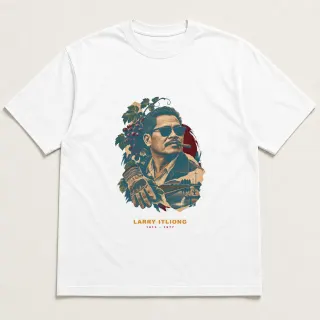
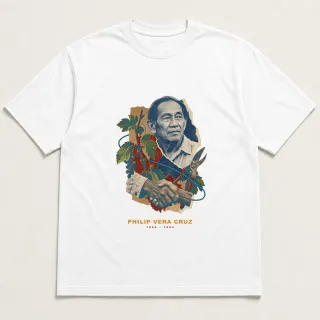
Itliong had spent three decades in American labor before Delano. He immigrated from Pangasinan in the Philippines in 1929 at fifteen, worked salmon canneries in Alaska and fields up and down the West Coast, and by 1959 was organizing for AWOC. Philip Vera Cruz, who had arrived from Ilocos Sur in 1926, organized alongside him and went on to serve as the merged union’s vice president for twelve years. Both men belonged to what Filipino American history calls the manong generation: laborers who had immigrated as young men under immigration rules that all but guaranteed they would grow old without wives or children in the country where they had worked their whole lives. That fact becomes load-bearing later in this story.
The NFWA joins, September 16
Eight days after the walkout, the NFWA met at Our Lady of Guadalupe parish in Delano, on Mexican Independence Day, to vote on joining a strike its own membership had not called. The organization had a treasury of $70. Chavez and the NFWA voted to join anyway, turning a Filipino-led work stoppage into a strike across two farmworker communities that had rarely organized together before.
The march that made it national
On March 17, 1966, Chavez led roughly 75 marchers out of Delano on a 280-mile walk to the state capitol, timed to arrive on Easter Sunday. Fifty-seven of them, the originales, made every mile. Four days before the march reached Sacramento, word came that Schenley Industries had agreed to recognize the union, and on April 10 the marchers arrived to 8,000 supporters and an announcement of that recognition. Schenley signed the formal contract on June 21, 1966: a 35 cent hourly raise, a union hiring hall, and the first agreement a California grower had ever signed with a farmworkers’ union.
Dolores Huerta negotiated the Schenley contract herself. Two months later, on August 22, 1966, AWOC and the NFWA merged into the United Farm Workers Organizing Committee. Chavez became director. Itliong, the man who had called the original strike, became assistant director.
Five years, ending July 29, 1970
The merged union kept the boycott running against growers who had not followed Schenley’s lead, carrying picket lines to supermarkets far outside California. Huerta ran the effort as the boycott’s East Coast director, working out of New York City to pull in other unions, religious groups, and ordinary shoppers who had never met a farmworker. California’s largest table grape grower, Giumarra Vineyards Corporation, held out the longest and drew the sharpest end of the boycott. By late summer 1967, with the union’s pressure cutting into sales, Giumarra had persuaded other Delano-area growers to let him ship his grapes under their labels instead of his own. The union answered in January 1968 by extending the boycott to every table grape grower in the state, not just the ones it could still name on a box. In 1967, a Filipino UFWOC member named Paulo Agbayani died of a heart attack on the picket line outside the Perelli-Minetti winery, one of the strike’s few recorded deaths.
On July 29, 1970, John Giumarra signed. Twenty-six Delano-area growers signed with him that day, covering roughly 10,000 workers and about 75 percent of California’s table grape acreage. Not quite five years after the Filipino Hall vote, the strike that started with AWOC ended with the growers who had held out longest, at the same table.
What happened to the man who called it
Itliong resigned from the union in 1971, at odds with its leadership over both style and substance, including how much say Filipino members had in a union whose public face had become almost entirely Chavez. Before he left, he drew up plans for a retirement home: a place for the aging Filipino strikers who, evicted from the labor camps once they went on strike, had nowhere to grow old. Built largely by volunteer labor between 1972 and 1974 and named for the man who died on the picket line, Agbayani Village opened in Delano in 1974, for men who had spent their working lives in bunkhouses and had no family to retire to. The property it sits on, Forty Acres, became a National Historic Landmark in 2008.
Popular memory did the same thing to Itliong’s name that it had done to the picket line order: it dropped him. The strike that made Cesar Chavez a national figure is, in most retellings, his story alone. That held until June 30, 2015, when Governor Jerry Brown signed Assembly Bill 7, requiring California to proclaim October 25, Itliong’s birthday, as Larry Itliong Day and encouraging schools to hold exercises about his life and contributions. Every October 25 since, the governor’s office has issued a proclamation using his name. The strike he called did not wait for one: it started September 8, 1965, eight days before anyone else joined in.
What people get wrong
#wrong- The myth
Cesar Chavez started the Delano grape strike. - The record
Filipino members of the Agricultural Workers Organizing Committee, led by Larry Itliong and Philip Vera Cruz, voted to strike at the Filipino Community Hall on September 8, 1965. Chavez's National Farm Workers Association voted to join eight days later, on September 16, at Our Lady of Guadalupe parish.
- The myth
The grape strike and boycott won a quick victory. - The record
It ran nearly five years, from the September 8, 1965 walkout to July 29, 1970, when Giumarra Vineyards and 25 other Delano-area growers signed contracts covering roughly 10,000 workers and about 75 percent of California's table grape acreage.
- The myth
Larry Itliong has always shared equal billing with Cesar Chavez for the strike he called. - The record
Itliong resigned from the union in 1971, and California did not officially mark his role until June 30, 2015, when Governor Jerry Brown signed Assembly Bill 7, naming October 25, Itliong's birthday, Larry Itliong Day and encouraging schools to teach his role.
The dates that matter
#dates- September 30, 1962 Cesar Chavez and Dolores Huerta found the National Farm Workers Association (NFWA) in Fresno.
- September 8, 1965 Filipino members of the Agricultural Workers Organizing Committee (AWOC), led by Larry Itliong and Philip Vera Cruz, walk out of Delano-area vineyards, demanding a raise from $1.25 to $1.40 an hour.
- September 16, 1965 The NFWA, with $70 in its treasury, votes at Our Lady of Guadalupe parish in Delano to join the strike.
- March 17, 1966 Chavez and roughly 75 marchers leave Delano on a 280-mile march to Sacramento.
- April 6, 1966 Schenley Industries agrees to recognize the NFWA, days before the marchers reach the capitol.
- April 10, 1966 The marchers reach Sacramento on Easter Sunday; 57 of them walked the entire route.
- June 21, 1966 Schenley signs the first contract between a California grower and a farmworkers' union.
- August 22, 1966 AWOC and the NFWA merge into the United Farm Workers Organizing Committee (UFWOC); Chavez becomes director, Itliong assistant director.
- 1967 Paulo Agbayani, a Filipino UFWOC member, dies of a heart attack on the picket line at the Perelli-Minetti winery; Giumarra Vineyards begins shipping grapes under other growers' labels to dodge the boycott.
- January 1968 UFWOC extends the boycott to every table grape grower in California, not only Giumarra.
- July 29, 1970 John Giumarra of Giumarra Vineyards, California's largest table grape grower, signs with UFWOC; 26 Delano-area growers sign in all, covering roughly 10,000 workers and about 75 percent of the state's table grapes.
- 1971 Itliong resigns from the union, having drawn up plans for a retirement village for the aging Filipino strikers.
- 1974 Agbayani Village opens in Delano, built largely by volunteer labor.
- June 30, 2015 Governor Jerry Brown signs Assembly Bill 7, making October 25, Itliong's birthday, Larry Itliong Day in California.
Questions people ask
#faqsWho started the Delano grape strike?
Filipino members of the Agricultural Workers Organizing Committee (AWOC), led by Larry Itliong and Philip Vera Cruz, walked off Delano-area grape vineyards on September 8, 1965. Cesar Chavez's National Farm Workers Association, the Mexican American group he had built with Dolores Huerta since 1962, voted to join the strike eight days later, on September 16.
Did Cesar Chavez start the grape strike?
No. Chavez led the larger of the two organizations and became the movement's most visible leader, but the walkout itself began with AWOC's Filipino membership. Chavez's own NFWA joined a week and a day after the Filipino strikers had already been on the picket line.
How long did the Delano grape strike last?
Five years. It ran from the September 8, 1965 walkout to July 29, 1970, when 26 Delano-area growers, led by Giumarra Vineyards Corporation, signed three-year contracts covering roughly 10,000 workers.
What did the Delano grape strike accomplish?
It produced the first contract between a California grower and a farmworkers' union (Schenley, June 21, 1966), merged two separate unions into what became the United Farm Workers, and by 1970 put about 75 percent of California's table grape acreage under union contract.
Why is October 25 Larry Itliong Day in California?
October 25 is Larry Itliong's birthday. Governor Jerry Brown signed Assembly Bill 7 into law on June 30, 2015, requiring an annual proclamation and encouraging schools to hold exercises about Itliong's life and contributions.
The bookshelf
#bookshelfWhere to go next. Buy from an independent bookstore, or find it at your library for nothing.
-
Philip Vera Cruz: A Personal History of Filipino Immigrants and the Farmworkers Movement Philip Vera Cruz, as told to Craig Scharlin and Lilia V. Villanueva, 1992 primary
Vera Cruz's own account of the manong generation and the union he helped build, told in his own words.
-
The Crusades of Cesar Chavez: A Biography Miriam Pawel, 2014 secondary
The most sourced modern biography, unsparing about the strike's costs and Chavez's later mistakes.
-
From the Jaws of Victory: The Triumph and Tragedy of Cesar Chavez and the Farm Worker Movement Matt Garcia, 2012 secondary
Follows the union past the 1970 contracts, into the decline the strike's own success set up.
-
Journey for Justice: The Life of Larry Itliong Dawn Bohulano Mabalon and Gayle Romasanta, 2018 secondary
The fullest account of Itliong's own life, from Pangasinan to the picket line he called.
Wear it: Delano grape strike
#merchEvery design here links back to this page.
Sources
#sourcesPrimary sources
The documents themselves: laws, court opinions, speeches, letters, and the numbers from the agencies that count them.
- Walter P. Reuther Library, Wayne State University, "Signing of the Giumarra Contract, 1970" (confirms the July 29, 1970 Giumarra signing and attendees)
- California State Legislature, Assembly Bill 7 (2015-2016), "Public schools: Larry Itliong Day" (signing date and legislative findings)
Secondary sources
Written afterward, about the story.
- National Park Service, "Workers United: The Delano Grape Strike and Boycott" (wage figures, vineyard count, September 1965 strike details)
- National Park Service, "Larry Itliong" (birth, immigration, AWOC organizing, 1971 resignation, Larry Itliong Day)
- National Park Service, "Philip Vera Cruz" (AWOC role and UFW vice presidency)
- National Park Service, "Mobilizing Support for La Causa" (1966 march route, distance, Easter Sunday arrival)
- National Park Service, "Agbayani Village" (why the retirement village was built and for whom)
- Farmworker Movement Documentation Project (CSU Northridge), "Event: March to Sacramento (last day)" (57 originales, 8,000 supporters, June 21, 1966 Schenley contract date)
- Welga Digital Archive, Bulosan Center for Filipino Studies, "Delano '65: AWOC and NFWA" (Filipino Community Hall vote, NFWA's $70 treasury)
- Welga Digital Archive, Bulosan Center for Filipino Studies, "Building Agbayani Village" (Itliong as the village's planner before his 1971 resignation)
- Encyclopedia.com (Gale), "Grape Pickers' Strike" (July 1970 contract scope: 26 growers, 10,000 workers, 75 percent of table grapes)
- Zinn Education Project, "Sept. 8, 1965: Delano Grape Strike Began"
- HISTORY, "Cesar Chavez and Dolores Huerta establish the NFWA" (September 30, 1962 founding date)