Published
Sylvia Rivera
Sylvia Rivera Would Not Let Gay Rights Abandon the Street
Born July 2, 1951. Died February 19, 2002
Sylvia Rivera joined gay-liberation organizing, co-founded STAR with Marsha P. Johnson, and challenged movements that excluded poor and transgender people.
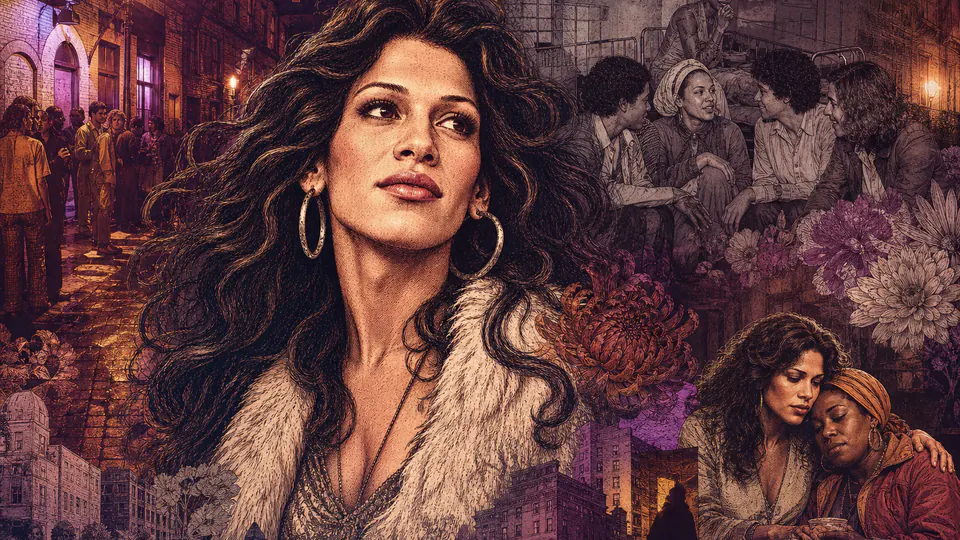
The story
#storySylvia Rivera asked gay-rights organizations whom they were prepared to leave behind to win. The answer was often people like her: poor, Latina, gender-nonconforming, sometimes homeless, and unwilling to wait while more acceptable plaintiffs went first.
Rivera grew up in New York and lived on the street while still young. She found family among queer and trans people around Times Square and Greenwich Village. Rivera said she joined the Stonewall resistance, though recollections differ on her exact arrival. Her importance does not rest on winning a contest for the first bottle thrown.
A movement needed a house
With Marsha P. Johnson, Rivera formed Street Transvestite Action Revolutionaries. STAR protested police violence and worked to house young people surviving on the street. It joined structural demands to care practiced in the present.
Rivera repeatedly clashed with organizations willing to remove gender protections from civil-rights bills to gain votes. At a 1973 pride rally, organizers tried to keep her from speaking. She took the microphone and confronted a crowd that celebrated liberation while neglecting imprisoned and poor queer people.
After periods away from activism and years of housing insecurity, Rivera returned to organizing in the 1990s. She advocated for trans inclusion, homeless people, and a broader account of LGBTQ liberation. Her politics made a simple demand on coalition: the people asked to bear the greatest risk should have a say in what gets traded away.
The 1973 rally confrontation made that argument audible. Rivera spoke about queer and trans people in jail while sections of the crowd booed. Her anger came from a policy fight as well as personal exclusion: advocates had dropped protections for gender expression from a New York bill they hoped could pass more easily. Rivera saw the trade as a lesson powerful groups would repeat whenever trans people lacked votes in the room. Later honors cannot soften the challenge. Inclusion means sharing authority before the compromise is written, not adding a name after it succeeds.
The street was a political institution
Rivera’s mother died when she was young, and conflict at home followed her gender expression. She left home and survived around Times Square, where other queer and trans young people supplied information, protection, companionship, and ways to earn money.
Calling that community a family does not make the danger romantic. Police harassment, violence, hunger, unstable housing, and arrest shaped daily life. Sex work could be a means of survival under conditions that closed other employment. Rivera’s later politics came from people whose first demand from a movement was not symbolic acceptance but a place to sleep without surrendering who they were.
The language people used also changed across Rivera’s life. She identified at different times through terms including gay, transvestite, drag queen, and transgender. Applying one present category to every period can flatten her own descriptions. The continuity was her fight for people punished for gender expression and excluded from respectable public life.
Stonewall mattered without an invented stopwatch
Rivera recalled taking part in the 1969 Stonewall resistance, while accounts differ about exactly when she arrived. Memory from a crowded series of nights is not a roll call, and movement history should not turn participation into a prize awarded to one first person.
Her documented work in the Gay Liberation Front and Gay Activists Alliance places her inside the organizing surge that followed. Demonstrations, meetings, occupations, and campaigns translated a police confrontation into institutions. Rivera pressed those groups to include poor people, prisoners, street youth, and people whose gender did not fit the movement’s preferred public image.
The distinction protects both truth and significance. Rivera need not be credited with a mythical first throw for her work to matter. The stronger account shows a young organizer doing the sustained tasks that begin after the broken glass is swept away.
STAR joined a bed to a political demand
Rivera and Marsha P. Johnson formed Street Transvestite Action Revolutionaries in 1970. STAR joined protests against policing and movement exclusion with direct support for young people living on the street. Its best-known house was chronically short of money and difficult to sustain.
Rent had to be paid, food found, conflict handled, and residents protected. Rivera and Johnson used money from their own street work to help keep the project going. The house made a political argument in material form: people described as disorderly could organize care, while institutions claiming respectability left them outdoors.
STAR did not become a large permanent agency. Its short life exposed the resource gap inside liberation movements. Groups could fund rallies and legal campaigns while the members most exposed to police and homelessness relied on personal sacrifice. Failure to maintain a house showed that the movement had not placed enough power behind housing as a gay political demand.
The civil-rights bill revealed who could be bargained away
New York advocates pursued a city ban on discrimination over many years. Protection for gender expression became a disputed part of the campaign. Some leaders believed removing it would make a gay-rights measure more likely to pass. Rivera regarded that trade as abandonment.
The argument is a recurring one in coalition politics. A narrower bill may protect many people sooner. It may also teach legislators that they can divide a constituency and force those with the least institutional support to wait. The people asked to wait often face the most immediate employment, housing, and policing risk.
At the 1973 Christopher Street Liberation Day rally, Rivera spoke after organizers had tried to keep her from the stage. Her speech linked movement celebration to queer and trans prisoners and accused the crowd of neglect. The boos are part of the record. Liberation gatherings could reproduce the same hierarchy their banners opposed.
Survival interrupted and then renewed public work
Rivera withdrew from major movement organizations for periods and experienced severe housing insecurity and substance use. Those years are sometimes treated as an absence from the story. They also show the conditions she had been demanding the movement address.
She returned to public organizing in the 1990s, challenged the exclusion of trans groups from Pride events, supported homeless communities, and helped renew STAR. She worked with Metropolitan Community Church and argued for trans protection in New York law. The city’s Transgender Rights Bill passed shortly after her death in 2002.
Honors now attach Rivera’s name to a street, a law project, and public monuments. Those recognitions are useful only if they keep the conflict visible. Her legacy is not a general request to include everyone. It is a rule for political negotiation: people whose safety is on the table need authority at the table, before anyone decides that their rights can wait.
In their own words
#wordsWhat Sylvia Rivera actually said, where, and when. Each one links to the page it was checked against.
-
That's a myth. We were all involved in different struggles, including myself and many other transgender people.
In a June 2001 talk at the Lesbian and Gay Community Services Center in New York, dismissing the claim that Judy Garland's death sparked the Stonewall uprising. Sylvia Rivera, talk at the Lesbian and Gay Community Services Center (June 2001) -
I will struggle til the day I die and my main struggle right now is that my community will seek the rights that are justly ours.
In the same June 2001 talk, on her continued commitment to organizing. Sylvia Rivera, talk at the Lesbian and Gay Community Services Center (June 2001) -
I have yet to have the pleasure to march with my community, for the simple fact that I belong to the Stonewall Live Veterans group, I march in the front.
In the same 2001 talk, explaining why she marched separately, with fellow Stonewall veterans, rather than with mainstream Pride organizers. Sylvia Rivera, talk at the Lesbian and Gay Community Services Center (June 2001) -
Our armies are rising and we are getting stronger.
Closing the same June 2001 talk on the momentum of trans organizing. Sylvia Rivera, talk at the Lesbian and Gay Community Services Center (June 2001)
What people get wrong
#wrong- The myth
Sylvia Rivera threw the first brick or bottle at Stonewall, and that claim is settled history. - The record
Rivera said in later interviews that she took part in the uprising, but accounts, including her own over the years, differ on exactly when she arrived and what role she played that first night. The Digital Transgender Archive and NPS's own history of the monument both treat the precise blow-by-blow as contested.
- The myth
STAR was a stable, well-funded shelter that operated for years. - The record
Street Transvestite Action Revolutionaries housed people in a rented apartment and later a trailer that Rivera and Marsha P. Johnson kept afloat largely with their own earnings from sex work; the project was chronically short of money and did not survive as a fixed shelter.
- The myth
The gay-rights movement of the 1970s was united behind including trans people in New York's civil-rights bill. - The record
Some advocates pushing New York City's gay-rights bill argued for dropping gender-identity protections to make the measure easier to pass. Rivera fought that trade publicly, including at the 1973 Christopher Street Liberation Day rally, where organizers tried to keep her off the stage.
The dates that matter
#dates- July 2, 1951 Born in New York City.
- 1960s Lives on the street and finds community among queer and trans youth.
- June 1969 Participates in gay-liberation activism during the Stonewall era.
- 1970 Co-founds STAR with Marsha P. Johnson.
- 1973 Forces her way onto the stage at the Christopher Street Liberation Day rally.
- 1990s Returns to organizing and advocates for trans inclusion and homeless people.
- February 19, 2002 Dies in New York.
Questions people ask
#faqsWas Sylvia Rivera at Stonewall?
Rivera said she participated in the uprising, though accounts differ about when she arrived. The broader record of her early gay-liberation work is clear.
What did Sylvia Rivera and Marsha P. Johnson found?
They founded Street Transvestite Action Revolutionaries, or STAR, which organized and housed poor queer and trans young people.
Why did Sylvia Rivera clash with gay-rights groups?
She opposed strategies that removed protections for trans people or marginalized poor people, prisoners, sex workers, and others judged politically inconvenient.
How should Sylvia Rivera be evaluated?
Separate the immediate result from the institutions, tactics, exclusions, and enforcement record that followed it.
The bookshelf
#bookshelfWhere to go next. Buy from an independent bookstore, or find it at your library for nothing.
-
The Stonewall Reader Edited by Jason Baumann for the New York Public Library, 2019 primary
An anthology built from NYPL's archive that includes Rivera's own writing and speeches alongside her contemporaries'.
-
Street Transvestite Action Revolutionaries: Survival, Revolt, and Queer Antagonist Struggle Ehn Nothing, editor, 2013 primary
Collects Rivera's and STAR's own statements, interviews, and flyers from the group's founding years.
-
Stonewall: The Definitive Story of the LGBTQ Rights Uprising That Changed America David Carter, 2004 secondary
The most heavily sourced account of the uprising Rivera said she took part in, weighing conflicting witness accounts against each other.
Wear it: Sylvia Rivera
#merchEvery design here links back to this page.

Sources
#sourcesPrimary sources
The documents themselves: laws, court opinions, speeches, letters, and the numbers from the agencies that count them.
Secondary sources
Written afterward, about the story.